
Packaging that protects the product and builds the brand
Choose boxes, cushioning and inserts that keep products safe, cut volumetric weight and make unboxing memorable without wasting money or materials.
 By Orvexa TeamUpdated 3 min read
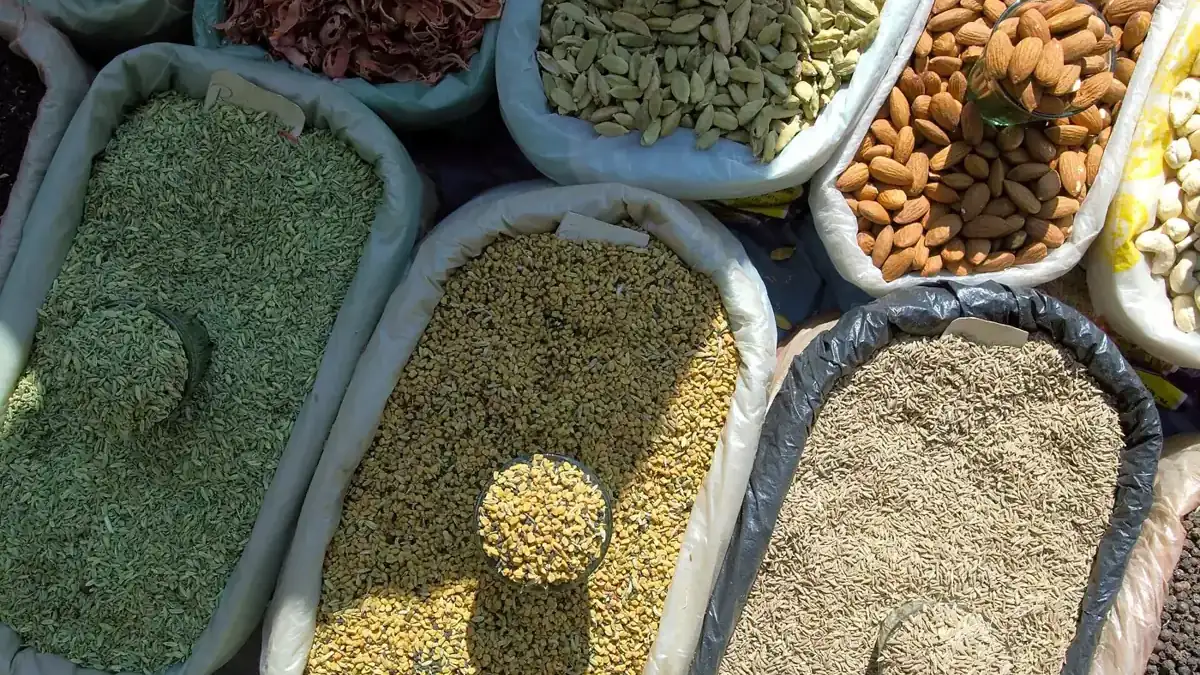
- Protection first: a damaged parcel costs more than any packaging saving
- Size boxes to the product, because courier charges depend on volume as well as weight
- Use the box to build the brand with simple, low-cost touches and a reason to come back
Packaging is the only physical contact many customers have with your brand. It has two jobs: get the product there intact, and make the customer feel they bought from someone who cares.
Protect first
Think about what can go wrong in transit: dropping, crushing, moisture, tearing and theft. Match the packaging to the risk.
| Product | Common protection |
|---|---|
| Textiles and clothing | Poly bag against moisture, inside a sturdy mailer or box |
| Fragile items | Rigid box, cushioning on all sides, void fill so that nothing moves |
| Liquids and creams | Leak-proof seal, absorbent layer, upright cushioning |
| Food and perishables | Food-safe sealed packs, tamper-evident seals, care with heat |
| Books and flat goods | Stiff board mailers to prevent bending |
During the monsoon, moisture is a major cause of damage, so seal products in plastic or water-resistant layers.
Size it right
Couriers often charge on the larger of actual and volumetric weight (length × breadth × height in cm ÷ 5,000 for many carriers). A box that is too large wastes money and needs more filler. Choose two or three standard sizes that fit most products, and test each with real orders (courier guide).
Test before you ship thousands
A simple drop test: pack an item and drop the box from waist height onto a hard floor, on a flat side, an edge and a corner. Shake it. Open it and check. If anything moves or breaks, change the packing. Ask your courier what typical handling looks like.
Make unboxing count, cheaply
- A printed sticker or stamp on a plain box.
- Tissue paper or a cloth wrap in your brand colour.
- A short thank-you card that tells your story.
- A care card for products that need it.
- A QR code linking to a review page or a reorder link (reviews).
- A small sample or gift, where the economics allow.
Avoid heavy printing on shipping boxes at first. Custom printed boxes need minimum order quantities and cash.
Choose materials thoughtfully
Customers increasingly care about waste. Prefer recyclable cardboard, paper filler and compostable or recycled materials where they protect well enough. Be accurate in your claims: say "recyclable paper" only if it is, and do not overstate environmental benefits.
Labels and compliance
Print clear shipping labels, with the order number and contact. For food, cosmetics and other regulated goods, make sure the pack shows the information the law requires, such as ingredients, batch, manufacturing date and price. Check the rules for your category.
Count the cost per order
Add boxes, filler, tape, labels and inserts, and divide by orders. A cost of ₹30 to ₹60 per order is typical for many small brands, but yours depends on the product. Reducing breakage and returns often pays for better packaging (hidden costs).
What to do next
Weigh and measure your five best sellers when packed. Compare their volumetric and actual weight, and see which box sizes you can consolidate.
Frequently asked questions
Is branded packaging worth it for a new brand?
Start with simple, low-cost touches such as a sticker and a card. Invest in custom boxes once volume is steady and the minimum quantities make sense.
How do I reduce damage in transit?
Right-size boxes, fill empty space, protect corners, and seal liquids. Test with drops and track damage claims by courier.
Can I reuse packaging?
For protective filler and boxes in good condition, yes, but keep the customer experience in mind and do not use anything that looks worn.
Keep reading
How to choose a courier partner for your D2C store
Compare direct couriers and aggregators on coverage, rates, volumetric weight, COD fees, RTO handling, remittance and support, then pilot before you commit.
3 min read
How to scale from 10 to 100 orders a day without breaking operations
What changes when volume grows tenfold: packing systems, inventory accuracy, multiple couriers, support automation, cash flow and fulfilment partners.
3 min read
Inventory management basics for small D2C brands
Keep the right stock without tying up cash: SKU rules, counts, reorder points, safety stock, ABC analysis, dead stock and simple forecasting.
3 min read