
Selling handloom and handmade products online: a guide for artisans and makers
How to present, price, photograph and ship handloom and handmade goods honestly, with provenance, made-to-order lead times and fair pricing for makers.
 By Orvexa TeamUpdated 3 min read
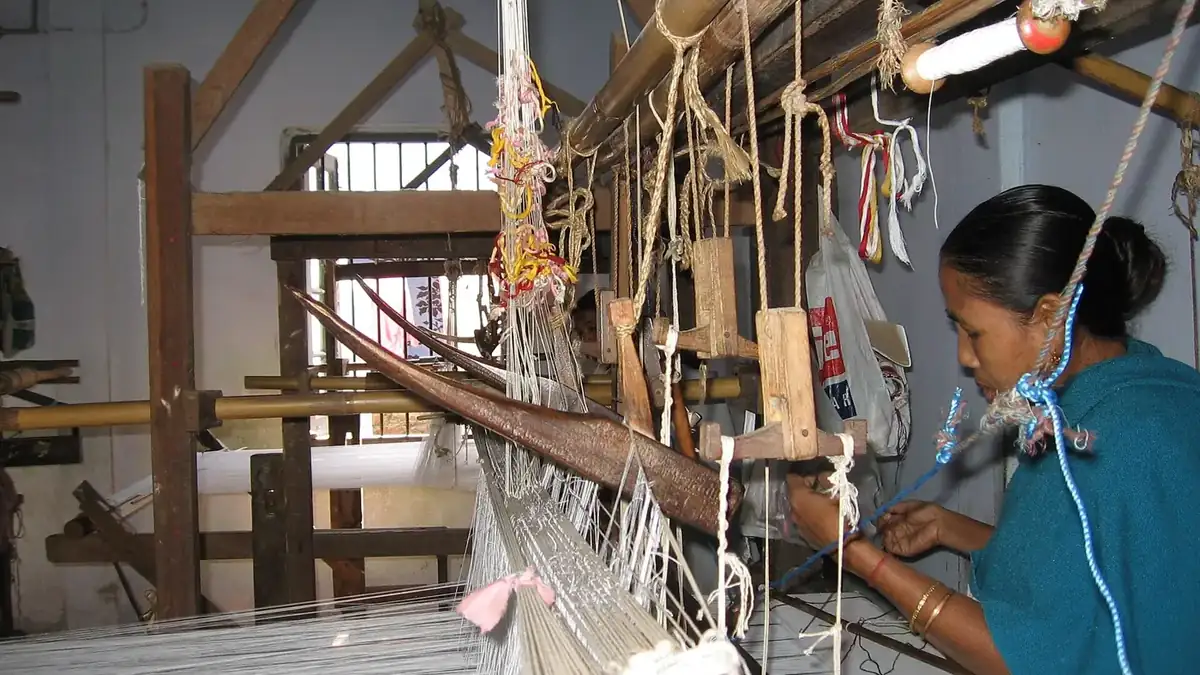
- Tell the true story: who made it, where, how long it took and how it differs from factory goods
- Be honest about variation, labelling and lead times to avoid returns and protect trust
- Price for the labour and skill involved, not just the material
India's handloom and handmade traditions are a strength in online retail, because buyers value provenance, craft and individuality. Selling them online well takes honesty, good presentation and patience.
Tell the real story
Customers pay more for goods when they understand who made them and why they are special. Include:
- The maker or group, the village or region and the craft tradition.
- The time it takes to make one piece.
- Materials, dyes and techniques (for example natural indigo, block printing, ikat).
- How it differs from machine-made products.
Ask makers' permission before sharing names and photographs, and share the benefits fairly.
Be accurate about labels and claims
Using the word "handloom" for products made on power looms is misleading, and India regulates the sector to protect handloom weavers. Other claims need care too: "natural dye", "organic", "fair trade" and "GI-tagged" must be true and, where relevant, certified. Schemes such as the Handloom Mark and Geographical Indication tags exist to help buyers identify genuine craft. Check the current rules for your product, and keep proof of your claims.
Show variation honestly
Handmade items differ from piece to piece: slight colour variation, irregular weave, small marks that are part of the process. Explain this on the page ("each piece is unique"), and show close-ups of the weave. Honest expectations reduce returns (product pages).
Photograph for texture
Natural light shows the texture and drape (photography guide). Include:
- A flat lay with the full design.
- A close-up of the weave or print.
- The product in use or worn.
- A scale shot, with measurements.
- A shot of colour next to a neutral object, because screens vary.
Price for the skill
Include fair pay for the maker, material, finishing, packaging, shipping and returns. Cheap pricing that squeezes the maker is not sustainable. Use the margin method in pricing profitably, and explain your pricing story on the page.
Manage lead times
If you make to order, say so up front: "Made for you in 10 to 14 days, then shipped in 3 to 5 days". Ready-to-ship items sell faster, so keep a small stock of best sellers. Send production updates by WhatsApp (order updates).
Packaging and shipping
Protect textiles from moisture and pressure. Fold carefully, use plastic against damp, and add a care card (packaging). Test couriers to your key regions (choosing couriers).
Selling beyond India
Craft is popular abroad. Consider international cards, duties and delivery times before you launch (international payments). Explain care and sizing in local terms.
Work with groups and cooperatives
Agree prices, delivery schedules, quality standards and payment terms in writing. Pay on time, share sales data and involve makers in product decisions. A stable relationship benefits both sides.
What to do next
Pick one product and write its story in five lines: who made it, where, how, how long and what makes it different. Put that at the top of the page and compare conversion.
Frequently asked questions
Do I need a certificate to say "handloom"?
Check the rules for your product. Genuine handloom can be supported by a Handloom Mark or by documentation from your weavers' group. Never use the term for power-loom products.
How do I handle colour differences?
Show real photographs, state that colours vary slightly with screens and batches, and offer swatches or exchanges where practical.
Can I sell handmade goods at scale?
Yes, by working with several makers, standardising quality checks, planning lead times and keeping best sellers in stock.
Keep reading

How to choose a courier partner for your D2C store
Compare direct couriers and aggregators on coverage, rates, volumetric weight, COD fees, RTO handling, remittance and support, then pilot before you commit.
3 min read
How to scale from 10 to 100 orders a day without breaking operations
What changes when volume grows tenfold: packing systems, inventory accuracy, multiple couriers, support automation, cash flow and fulfilment partners.
3 min read
Inventory management basics for small D2C brands
Keep the right stock without tying up cash: SKU rules, counts, reorder points, safety stock, ABC analysis, dead stock and simple forecasting.
3 min read